
The global technology sector is undergoing an incredible transformation. For decades, when professionals thought about entering the tech industry, their minds immediately drifted toward software development, consumer smartphone apps, and Silicon Valley corporate offices. However, in today’s economic landscape, the boundary between the digital world and physical industries has completely dissolved. Tech is no longer just a standalone sector; it is the fundamental infrastructure driving healthcare, modern agriculture, heavy civil construction, civil transit grids, and industrial manufacturing.
This deep industrial integration has opened up a massive variety of high-paying, recession-proof tech careers that do not require spending your entire life staring at a traditional software coding screen. Modern technology careers live at the intersection of advanced hardware, real-time cloud data, automated machinery, and complex diagnostic software out in the real world. Finding your perfect path within this vast landscape requires analyzing your personal problem-solving style, understanding how digital controls manage physical infrastructure, and targeting specialized technical training paths.
Navigating Advanced Technical Solutions in Environmental Systems
Mastering Industrial Fluid Dynamics and Automated Chemical Proportions
For professionals who are fascinated by chemical engineering, environmental science, and automated hardware, industrial environmental control is an incredibly lucrative career path. Large manufacturing plants, regional hospital facilities, data centers, and university campuses utilize massive heating, cooling, and water processing systems that rely heavily on automated sensory loops. These massive systems require continuous digital monitoring to prevent heavy scale buildup, pipe corrosion, and hazardous biological growth within their closed fluid networks.
Entering this specialized field requires learning how to program and maintain automated sensor arrays that inject precise chemical formulas into high-volume water networks. Technicians in this space work continuously with advanced solid chemical water treatment setups, which use eco-friendly, compressed chemical blocks instead of hazardous liquid barrels to balance fluid pH levels safely. Mastering these advanced automated chemical delivery systems positions you as a critical environmental safety expert across major industrial sectors.
-
Learn Programmable Logic Controller (PLC) Automation: Take introductory courses in PLC programming to understand how modern industrial sensory arrays monitor fluid electrical conductivity and automatically adjust system chemistry.
-
Study Environmental Protection Agency (EPA) Water Quality Mandates: Familiarize yourself with federal clean water acts and regional environmental safety laws to ensure your chemical distribution programs stay fully compliant.
Exploring Next-Generation Digital Diagnostics in Comfort Engineering
Calibrating Smart Variable-Capacity Thermal Transfer Networks
Climate control technology has evolved far past simple mechanical thermostats and basic electrical switches. Modern residential and commercial thermal management setups utilize variable-speed inverter compressors, advanced airflow sensors, and integrated smart-home automation networks to maximize energy efficiency. This rapid digital evolution has created a massive demand for highly skilled comfort technicians who view building systems through a lens of digital diagnostics and energy optimization.
If you enjoy troubleshooting complex electronic control boards, tracing low-voltage communication lines, and working with advanced thermodynamics, specialized ac repair offers an exceptional career path. Modern comfort engineering professionals spend their days using mobile diagnostic software to track real-time refrigerant pressure curves and analyze airflow metrics. This allows them to optimize high-performance heat pumps and variable-refrigerant-flow (VRF) commercial networks for maximum efficiency.
-
Secure Core Section 608 Universal Certifications: Master safe refrigerant handling, recovery procedures, and environmental compliance metrics by passing your mandatory EPA certification exams early.
-
Study Low-Voltage Communicating Thermostat Wiring: Learn how complex multi-stage communication buses allow modern indoor air handlers to send real-time system performance data to cloud networks.
Building the Future through Heavy Civil Engineering Tech
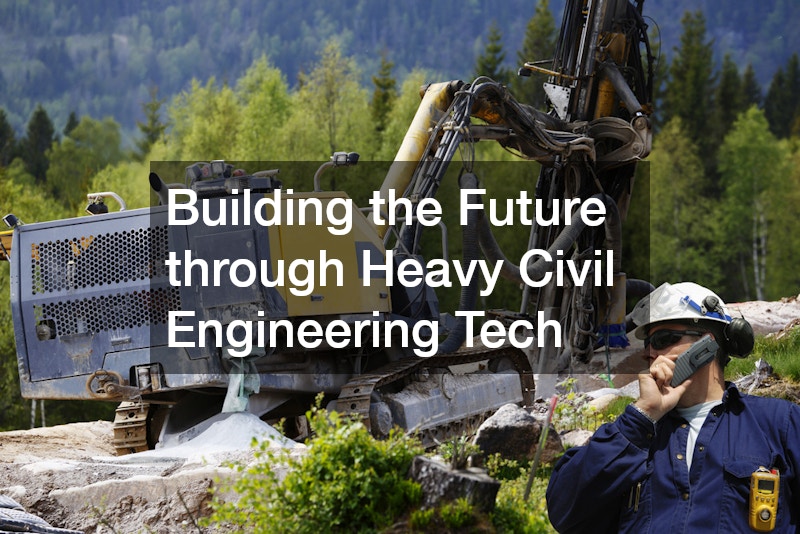
Developing Structural Foundations and Mastering Deep Earth Telemetry Systems
Civil engineering and heavy construction have become some of the most tech-reliant industries on the planet. Building massive modern skyscrapers, long-span highway bridges, and coastal transit systems requires an incredible amount of sub-surface data, structural modeling, and precision machinery. Technicians in this high-stakes sector use advanced laser telemetry, digital ground-penetrating radar, and automated hydraulic systems to shape the physical world around us.
A fascinating career path within this heavy civil sector is working alongside specialized pier drilling companies to install deep foundation systems. Modern foundation technicians spend their time operating multi-million dollar rotary drilling rigs equipped with real-time digital torque sensors, structural depth telemetry, and automated vertical alignment computers. This high-tech guidance ensures that massive concrete structural columns are placed into bedrock with millimeter precision, guaranteeing the structural integrity of major public works projects.
-
Study Geotechnical Data Analysis and Soil Mechanics: Learn how to read digital borehole logs and analyze electronic soil density profiles to understand how changing earth conditions affect heavy drilling machinery.
-
Master Real-Time Hydraulic Rig Telemetry Systems: Train yourself to interpret real-time digital readouts tracking rotary torque, crowd pressure, and drilling depths to prevent expensive tooling damage in the field.
Pioneering Innovation within Advanced Product Fabrication
Designing Custom Architectural Elements and Managing Industrial Prototyping Teams
If your technical passions lean toward structural design, heavy mechanical fabrication, and high-tech product manufacturing, building a career within a modern engineering company is an exceptional move. These multi-disciplinary firms bring together mechanical engineers, digital CAD designers, and material science experts to build custom equipment for industrial clients. Working in this environment gives you front-row access to advanced automation tools, precision computer-numerical-control (CNC) machining centers, and complex structural welding cells.
Professionals in this space frequently work on high-profile architectural fabrication projects, designing and manufacturing heavy-duty building components like custom structural facades or high-security commercial hurricane garage doors. This role requires using advanced finite element analysis (FEA) software to simulate how custom steel and aluminum fabrications will handle high wind loads and severe storm impacts, ensuring your designs protect human life during extreme weather events.
-
Master Parametric 3D Computer-Aided Design (CAD) Software: Build an elite skillset in professional design programs like SolidWorks or Autodesk Inventor to create production-ready manufacturing blueprints.
-
Learn Structural Finite Element Analysis (FEA) Simulations: Understand how to run digital stress tests and wind-velocity simulations within your CAD software to verify the load capacity of custom structural fabrications.
Revolutionizing Logistics via High-Tech Fluid Power Mechanics
Diagnosing Electro-Hydraulic Proportional Valves and Overhauling Massive Force Cylinders
Industrial automation and heavy transport logistics rely heavily on fluid power systems to lift, move, and position heavy payloads. Modern hydraulic machinery has evolved from basic mechanical levers into highly complex, software-driven electro-hydraulic networks. These next-generation systems combine the raw power of fluid pressure with the microscopic precision of digital control systems, driving everything from warehouse material-handling equipment to international shipping port cranes.
Building a career focused on complex hydraulic repairs requires a deep blend of mechanical skill and electrical diagnostic mastery. Technicians in this field use digital flow meters, electronic pressure transducers, and laptop-based software diagnostic tools to troubleshoot smart proportional valves and automated variable-displacement pumps. This high-tech skill allows you to pinpoint microsecond pressure drops or electronic communication errors, keeping critical logistics machinery running at peak efficiency.
-
Study International Fluid Power Society (IFPS) Standards: Prepare for industry-recognized certifications like the Certified Fluid Power Electronic Systems Technician (EST) to prove your ability to merge digital electronics with fluid power.
-
Master Electro-Hydraulic Schematic Interpretation: Train your mind to read complex technical diagrams that combine high-pressure hydraulic fluid lines with digital low-voltage sensor connections.
Advancing Digital Diagnostics in the Automotive Tech Sector
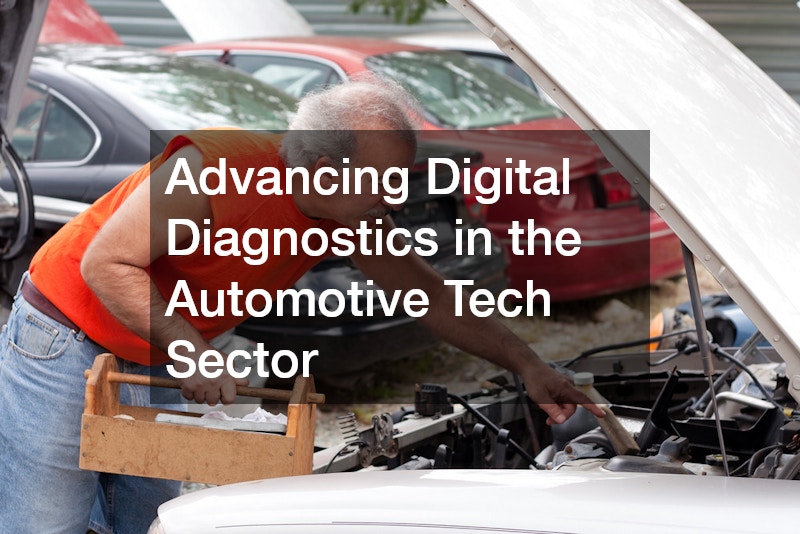
Deploying Cloud-Based Mobile Scans and Auditing Advanced Driver Assist Safety Systems
The automotive service sector has transformed into a software-driven tech industry. Modern vehicles are essentially rolling computers, featuring dozens of interconnected electronic control modules (ECMs), high-speed fiber-optic data networks, and complex radar-guided safety systems. This massive digital shift means that successful automotive technicians must spend just as much time managing operating software and cloud data as they do spinning wrenches.
A rapidly growing tech career path in this space revolves around executing comprehensive digital vehicle inspections across major commercial fleets. Instead of using paper clipboards, modern automotive diagnostic technicians utilize rugged tablet computers running advanced cloud software to execute deep vehicle health scans.
-
Master On-Board Diagnostics Multi-Bus Protocol Networks: Learn how high-speed Controller Area Network (CAN-bus) and Ethernet lines communicate data across various vehicle control modules.
-
Study Advanced Driver Assistance Systems (ADAS) Calibrations: Train in the precise laser and target alignments needed to calibrate radar sensors, forward-facing cameras, and blind-spot warning systems.
Powering the Digital Grid via Emergency Electrical Infrastructure
Deploying Smart Industrial Switchgear and Managing Micro-Grid Fault Diagnostics
Our modern, tech-reliant world completely stops without an unshakeable, continuous supply of electrical power. Data centers, regional trauma hospitals, automated fulfillment warehouses, and cloud infrastructure networks require absolute electrical grid uptime to operate safely. When an unexpected equipment blowout, transformer failure, or severe weather event compromises main power lines, high-level electrical tech specialists must respond immediately to protect public infrastructure.
Choosing a high-stakes career focused on emergency electrical repair puts you on the front lines of modern grid protection. These tech-forward electrical specialists use advanced thermal imaging cameras, digital insulation resistance testers (megohmmeters), and computer-guided circuit breaker programmers to isolate catastrophic high-voltage faults.
-
Study the National Electrical Code (NEC) Safety Guidelines: Master the strict safety rules, grounding calculations, and arc-flash boundaries required to work around high-power industrial electrical gear.
-
Learn Infrared Thermographic Analysis Techniques: Train yourself to analyze high-resolution thermal imaging signatures to find loose, overheating electrical connections inside main switchgear cabinets before they explode.
Modernizing Public Transit Infrastructure through Traffic Technology
Coordinating Smart City Telemetry Loops and Calibrating Automated Transit Signals
As urban centers rapidly grow, municipal governments are turning to “smart city” technologies to manage vehicle congestion, improve pedestrian safety, and lower carbon emissions. Modern traffic management has evolved from simple mechanical timers into highly advanced telemetry networks. These smart systems utilize artificial intelligence, radar vehicle detection arrays, and fiber-optic communication grids to optimize city-wide transit flows in real time.
If you are interested in networking, digital telemetry, and public infrastructure, working as a traffic control device technician is an incredible career choice. These specialized field electronics professionals program and maintain the advanced computing cabinets located at major city intersections. You will work with inductive loop detectors cut into the pavement, radar vehicle tracking cameras, and wireless vehicle-to-infrastructure (V2I) communication nodes that give priority access to emergency vehicles and public transit buses.
-
Study International Municipal Signal Association (IMSA) Rules: Secure recognized IMSA Traffic Signal Technician certifications to prove your mastery of municipal electronics and public intersection safety codes.
-
Learn Fiber-Optic Splicing and Network Diagnostics: Master the technical art of fusion-splicing fiber optic communication cables and using Optical Time-Domain Reflectometers (OTDR) to maintain city-wide networks.
Integrating Bio-Tech and Electronics in Advanced Healthcare Care
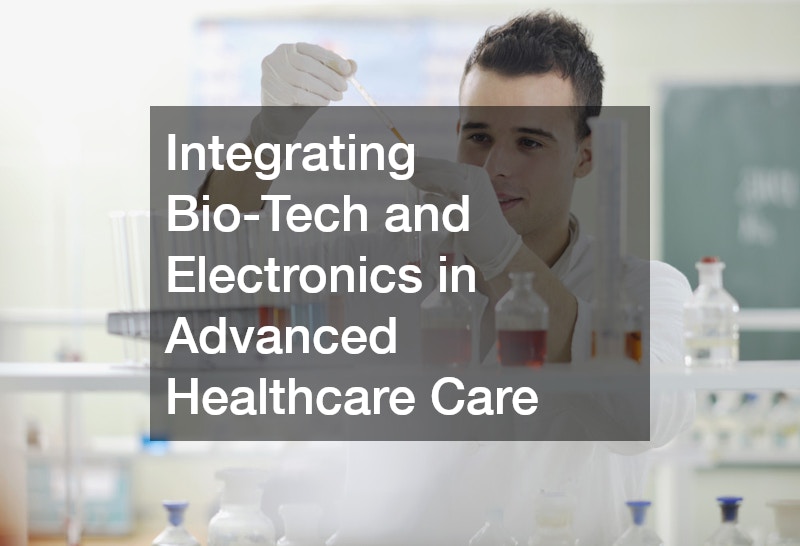
Navigating High-Definition Cardiological Monitoring Systems and Patient Data Streams
For tech-minded individuals who want their daily work to directly save lives, the rapidly growing field of biomedical electronics tech is an ideal destination. Modern hospitals and cardiac care clinics rely heavily on high-precision electronic diagnostic equipment to track patient health metrics, guide surgical teams, and diagnose complex medical conditions. Maintaining these life-critical biomedical devices requires an elite blend of human anatomy knowledge, digital signal processing mastery, and delicate electronic calibration skills.
A clear, high-growth entryway into this medical tech sector is completing accredited ekg technician programs to master the science of electrocardiology technology. These specialized medical tech professionals understand how to place advanced diagnostic electrodes, operate high-definition multi-channel electrocardiograph machines, and spot critical cardiac arrhythmias in real time.
-
Enroll in Certified Cardiovascular Technician Training: Select a vocational program accredited by CAAHEP to guarantee your training meets strict national healthcare education and certification standards.
-
Study Human Cardiovascular Anatomy and Electrophysiology: Master the exact electrical path of the human heart to instantly distinguish normal cardiac rhythms from life-threatening electronic artifacts or machine interference.
Transforming Global Agriculture via Precision Agrotechnology
Synchronizing Satellite GPS Autosteer Arrays and Deploying Drone Mapping Networks
The global agricultural sector is experiencing a massive digital revolution driven by the urgent need to increase food production while lowering chemical and water usage. Modern farming has moved past traditional manual labor and entered the era of precision agrotechnology. Today’s commercial farms function as high-tech open-air laboratories, utilizing satellite guidance networks, automated variable-rate chemical sprayers, and autonomous drone mapping systems to manage crop yields with absolute precision.
Entering this booming sector as a precision agriculture technology specialist involves working directly with advanced agricultural supplies networks to integrate digital systems into heavy field machinery. You will spend your days installing and calibrating dual-antenna RTK GPS guidance systems on massive harvesting tractors, programming automated seed-metering monitors, and configuring wireless telemetry systems that stream live soil moisture data straight to farmers’ tablet computers.
-
Master Real-Time Kinematic (RTK) GPS Guidance Setups: Learn how to calibrate high-precision satellite receivers and local base stations to achieve sub-inch steering accuracy across massive farm fields.
-
Study Variable-Rate Application (VRA) Software Controls: Understand how to program digital prescription maps into tractor control terminals, allowing automated sprayers to adjust chemical outputs based on GPS location data.
The modern technology ecosystem has expanded far past the traditional boundaries of software engineering and internet-based startups. Today, some of the most exciting, financially rewarding, and personally fulfilling tech careers live out in the real world, embedded straight into our critical infrastructure, medical networks, automotive fleets, and food production systems. By shifting your focus toward these high-demand, multi-disciplinary fields, you can leverage advanced digital diagnostic skills, hardware automation programming, and real-time data telemetry to build an exceptional career that cannot be automated or outsourced.